
Best AI Tools for Writing Blog Posts for Beginners
The best AI tools for writing blog posts for beginners aren’t the ones with the most features — they’re the ones that help you finish a draft without getting overwhelmed. Here’s what actually helps you research, outline, draft, and edit faster.
Best AI Tools for Writing Blog Posts for Beginners
Writing a blog post from scratch can be difficult, especially when you are new to blogging. You need to choose a topic, research keywords, create an outline, write useful content, optimize it for search engines, and edit everything before publishing.
The good news is that AI writing tools can make blog writing faster and easier. They can help you brainstorm ideas, create outlines, write drafts, improve grammar, and organize your content.
However, not every AI writing tool is suitable for beginners. Some tools are expensive, complicated, or designed mainly for professional marketing teams.
In this guide, Nodifytech compares the best AI tools for writing blog posts for beginners. We explain what each tool does, who should use it, its advantages and limitations, and how to choose the right tool for your blog.
- Quick Answer: What Is the Best AI Tool for Beginner Blog Writers?
- What Is an AI Writing Tool?
- How Nodifytech Evaluates AI Writing Tools
- 1. ChatGPT — Best Overall AI Tool for Beginner Bloggers
- 2. Claude — Best AI Tool for Natural-Sounding Blog Content
- 3. Writesonic — Best for Guided AI Blog Writing
- 4. Google Gemini — Best for Brainstorming and Google Workspace Users
- 5. Rytr — Best Simple AI Writing Tool for Beginners
- 6. Grammarly — Best AI Tool for Editing Blog Posts
- Comparison: Best AI Tools for Writing Blog Posts for Beginners
- Which AI Writing Tool Should Beginners Choose?
- How to Use AI Tools to Write a Blog Post
- Step 1: Choose a Specific Topic
- Step 2: Understand the Search Intent
- Step 3: Create an Outline
- Step 4: Write the Draft in Sections
- Step 5: Add Original Value
- Step 6: Fact-Check the Article
- Step 7: Edit Before Publishing
- Useful Prompt for Beginner Blog Writing
- Can AI-Written Blog Posts Rank on Google?
- Nodifytech’s Recommendation
- Frequently Asked Questions
- What is the best AI tool for writing blog posts for beginners?
- What is the best free AI tool for writing blog posts?
- Can beginners use AI to write WordPress blog posts?
- Is AI-generated content original?
- Should I publish AI-written content without editing?
- Which AI tool is best for SEO blog writing?
- Can AI replace a human blog writer?
- How many AI tools do I need to start a blog?
- Final Verdict
- Key Takeaways: AI Tools for Writing Blog Posts for Beginners
Quick Answer: What Is the Best AI Tool for Beginner Blog Writers?
ChatGPT is the best overall AI tool for writing blog posts for beginners because it is easy to use, flexible, and suitable for brainstorming, outlining, drafting, rewriting, and editing.
However, the best tool depends on your needs:
- Best overall: ChatGPT
- Best for natural-sounding writing: Claude
- Best for guided blog creation: Writesonic
- Best for brainstorming and research assistance: Google Gemini
- Best simple tool for beginners: Rytr
- Best for grammar and editing: Grammarly
For most new bloggers, a practical combination is:
ChatGPT for planning and drafting + Grammarly for editing + Google Search Console for performance tracking
What Is an AI Writing Tool?
An AI writing tool is software that uses artificial intelligence and language models to help create or improve written content.
An AI writing tool can help you:
- Generate blog topic ideas
- Find content angles
- Create article outlines
- Write introductions and conclusions
- Draft complete blog posts
- Rewrite difficult sentences
- Improve grammar and readability
- Change the tone of an article
- Summarize information
- Create titles and meta descriptions
- Translate content into different languages
AI writing tools do not replace the writer completely. They work best as writing assistants. You should still check facts, add your own experience, include trustworthy sources, and edit the final article before publishing.
How Nodifytech Evaluates AI Writing Tools
At Nodifytech, we compare AI writing tools using criteria that matter to beginner bloggers:
- Ease of use – Can a new user understand the tool quickly?
- Writing quality – Does the tool create clear and useful drafts?
- Blogging features – Can it help with outlines, headings, introductions, and conclusions?
- Editing ability – Can it improve grammar, clarity, and tone?
- SEO support – Does it help organize content for readers and search engines?
- Pricing and value – Is it suitable for a beginner’s budget?
- Accuracy and reliability – Does the tool clearly identify information that requires fact-checking?
Features and prices can change, so check each company’s official website before purchasing a plan.
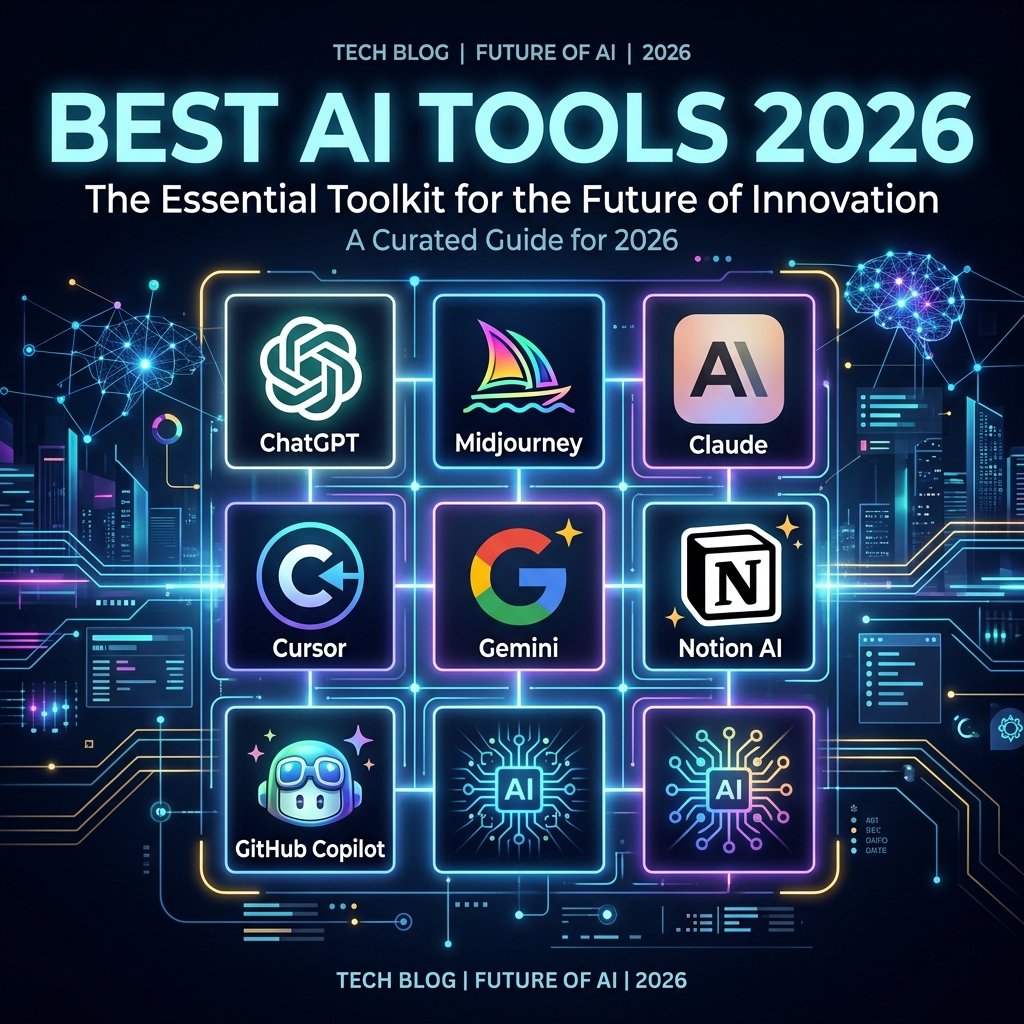
1. ChatGPT — Best Overall AI Tool for Beginner Bloggers
Nodifytech Rating: 9.5/10
ChatGPT is one of the most flexible AI tools for writing blog posts. It can help you move from a simple idea to a complete article outline and first draft.
Best For
- Beginner bloggers
- WordPress users
- Freelance writers
- Affiliate marketers
- Small business owners
- Content planning and editing
How ChatGPT Helps With Blog Writing
You can use ChatGPT to:
- Generate blog post ideas
- Analyze search intent
- Create SEO-friendly outlines
- Suggest headings and subheadings
- Write individual sections
- Improve existing content
- Create FAQs
- Write meta titles and descriptions
- Simplify complicated explanations
- Adapt content for different audiences
ChatGPT is especially useful because you can provide detailed instructions. Instead of asking it to “write a blog post,” you can tell it about your audience, writing style, target keyword, article structure, and purpose.
Advantages
- Easy for beginners to use
- Useful for almost every type of writing
- Good for brainstorming and outlining
- Can rewrite content in different tones
- Works well with step-by-step instructions
- Has free and paid options, depending on current availability
Limitations
- May provide incorrect or outdated information
- Can write generic content if your instructions are too broad
- Does not automatically guarantee SEO rankings
- Requires human editing and fact-checking
Nodifytech Verdict
ChatGPT is the best choice if you want one flexible AI tool for writing blog posts. Beginners can use it to plan, draft, edit, and improve content without learning a complicated interface.
2. Claude — Best AI Tool for Natural-Sounding Blog Content
Nodifytech Rating: 9.1/10
Claude is an AI assistant known for producing clear, natural, and well-organized writing. It is useful when you already have notes, research, or a rough draft and want to turn them into readable blog content.
Best For
- Long-form blog posts
- Editing and rewriting
- Natural and conversational writing
- Turning notes into articles
- Writers who want a less robotic tone
How Claude Helps With Blog Writing
Claude can help you:
- Create detailed article outlines
- Organize research notes
- Rewrite awkward paragraphs
- Improve transitions between sections
- Make content easier to understand
- Adjust the tone for beginners
- Summarize long documents
- Review an article for clarity
Claude is often helpful when you want an article to sound calm, natural, and informative rather than overly promotional.
Advantages
- Produces readable and organized drafts
- Useful for editing long content
- Good at following style instructions
- Helps improve structure and clarity
- Suitable for turning notes into a complete article
Limitations
- Some features may depend on your location or plan
- It can still make factual errors
- It may not provide a complete SEO workflow by itself
- Free usage may have limits
Nodifytech Verdict
Claude is a strong option for bloggers who care about natural writing quality. It is particularly useful for editing AI drafts and making them sound more human and helpful.
3. Writesonic — Best for Guided AI Blog Writing
Nodifytech Rating: 8.8/10
Writesonic is designed for content creation and marketing. It includes workflows that can help users create blog posts, landing pages, advertisements, and other types of content.
Best For
- Beginners who want a guided writing process
- SEO-focused blog drafts
- Marketing content
- Small businesses
- Users who prefer templates
How Writesonic Helps With Blog Writing
Writesonic may help you:
- Select a blog topic
- Generate article outlines
- Create long-form drafts
- Write introductions and conclusions
- Generate title ideas
- Create marketing content
- Prepare content for different platforms
- Connect content creation with SEO-related workflows
Its guided approach can be easier for beginners who do not know how to write detailed AI prompts.
Advantages
- Designed specifically for content creation
- Provides templates and writing workflows
- Useful for blog and marketing content
- Can save time when creating a first draft
- May include additional SEO and publishing features depending on the plan
Limitations
- Feature availability can change between plans
- Generated content still requires editing
- Some advanced tools may be expensive for a new blogger
- The writing can sometimes sound formulaic
Nodifytech Verdict
Writesonic is a good choice if you want an AI blog writing tool with built-in guidance. It may be more suitable than a general chatbot for users who prefer templates and a structured workflow.
4. Google Gemini — Best for Brainstorming and Google Workspace Users
Nodifytech Rating: 8.6/10
Google Gemini can assist with research planning, brainstorming, summarizing, rewriting, and drafting content. It may be convenient for users who already use Google Docs and other Google services.
Best For
- Blog idea generation
- Content brainstorming
- Drafting simple articles
- Google Workspace users
- Summarizing information
How Gemini Helps With Blog Writing
You can ask Gemini to:
- Suggest blog topics for a specific audience
- Create article outlines
- Explain difficult subjects
- Generate questions readers may ask
- Rewrite content in a simpler style
- Suggest content upgrades
- Create social media posts from a blog article
For research-based writing, you should verify information using reliable sources. AI tools can sometimes misunderstand sources or provide incomplete explanations.
Advantages
- Easy to use for brainstorming
- Useful for simple explanations
- Convenient for users in the Google ecosystem
- Can help turn ideas into outlines
- Helpful for creating different versions of content
Limitations
- Information may require careful verification
- Output quality can vary depending on the topic
- Advanced features may depend on account, country, or plan
- It may need detailed instructions for long-form writing
Nodifytech Verdict
Gemini is useful for bloggers who want help with ideas, outlines, explanations, and research preparation. It is a practical option if your writing workflow already uses Google Docs.
5. Rytr — Best Simple AI Writing Tool for Beginners
Nodifytech Rating: 8.1/10
Rytr is a simple AI writing assistant with templates for different types of content. Its straightforward interface can be helpful for people who are using an AI writing tool for the first time.
Best For
- New bloggers
- Short blog sections
- Product descriptions
- Social media content
- Users who prefer templates
How Rytr Helps With Blog Writing
Rytr can help create:
- Blog ideas
- Article introductions
- Short paragraphs
- Product descriptions
- Email content
- Social media posts
- Content outlines
- Rewritten sentences
It is usually more suitable for creating short sections and basic drafts than for producing a complete, expert-level article without editing.
Advantages
- Beginner-friendly interface
- Simple content templates
- Useful for short-form writing
- Can help users overcome writer’s block
- Usually offers different plans for different needs
Limitations
- Long-form output may require more editing
- Content can sound repetitive
- Advanced features may be limited
- It may not be enough for detailed SEO research
Nodifytech Verdict
Rytr is a good starting point if you want a simple AI writing assistant. It is useful for small writing tasks, but serious bloggers may eventually need a more flexible tool.
6. Grammarly — Best AI Tool for Editing Blog Posts
Nodifytech Rating: 8.7/10
Grammarly is not primarily a complete blog generator. It is an AI writing assistant that helps improve grammar, spelling, sentence clarity, tone, and readability.
Best For
- Editing blog posts
- Correcting grammar
- Non-native English writers
- Improving sentence clarity
- Final content review
How Grammarly Helps With Blog Writing
You can use Grammarly to:
- Find spelling mistakes
- Correct grammar problems
- Improve sentence structure
- Make writing clearer
- Check the tone of your content
- Rewrite complicated sentences
- Identify wordy expressions
- Improve professional communication
Advantages
- Easy to use
- Helpful for proofreading
- Works in many writing environments
- Useful for improving readability
- Good companion for AI-generated drafts
Limitations
- Not a replacement for a full AI blog writer
- It may not understand your topic completely
- Suggestions should be reviewed manually
- Some advanced features require a paid plan
Nodifytech Verdict
Grammarly is one of the best tools for polishing and editing blog posts. Even if you use ChatGPT, Claude, or another AI writer, an editing tool can help improve the final quality.
Comparison: Best AI Tools for Writing Blog Posts for Beginners
| AI Tool | Best For | Beginner-Friendly | Long-Form Writing | Editing | SEO Workflow | Free Option |
|---|---|---|---|---|---|---|
| ChatGPT | Overall blog writing | Excellent | Excellent | Excellent | Moderate | Usually available |
| Claude | Natural writing and editing | Very good | Excellent | Excellent | Moderate | Usually available |
| Writesonic | Guided blog creation | Very good | Very good | Good | Stronger | Plan-dependent |
| Google Gemini | Brainstorming and research preparation | Very good | Good | Good | Moderate | Usually available |
| Rytr | Simple writing tasks | Excellent | Average | Good | Basic | Plan-dependent |
| Grammarly | Proofreading and rewriting | Excellent | Not a primary feature | Excellent | Basic | Usually available |
Important: Free plans, word limits, model access, and features may change. Always check the official website before subscribing.
Which AI Writing Tool Should Beginners Choose?
Choose ChatGPT If You Want the Best All-Rounder
ChatGPT is the best option for most beginner bloggers. It can help with the complete writing process, from choosing a topic to editing the final draft.
Choose Claude If You Want Natural-Sounding Content
Claude is a strong choice if you already have research or notes and want to turn them into clear, readable content.
Choose Writesonic If You Want a Guided Blog Workflow
Writesonic may be better if you prefer templates, content workflows, and tools designed specifically for marketing and blog creation.
Choose Gemini If You Use Google Tools
Gemini is convenient for brainstorming and content preparation, especially if you already work in Google Docs.
Choose Rytr If You Want Simplicity
Rytr is suitable for beginners who want to create short content quickly without learning complex features.
Choose Grammarly for Final Editing
Grammarly is best used as an editing companion rather than your only blog writing tool.
How to Use AI Tools to Write a Blog Post
Using an AI tool does not mean asking it to generate a complete article and publishing the result immediately. A better process is to work in stages.
Step 1: Choose a Specific Topic
Start with a clear topic that answers a real reader question.
For example:
- Weak topic: “AI tools”
- Better topic: “Best AI tools for writing blog posts for beginners”
- More specific topic: “How beginners can use ChatGPT to write a WordPress blog post”
Specific topics are easier to organize and more closely match search intent.
Step 2: Understand the Search Intent
Search intent means the reason someone searches for a keyword.
For the keyword “best AI tools for writing blog posts for beginners,” the reader probably wants to:
- Compare several AI writing tools
- Find an easy tool to use
- Understand which tool is suitable for a beginner
- Learn about free and paid options
- Choose a tool for blog writing
Your article should answer these questions directly.
Step 3: Create an Outline
Ask your AI tool to create an outline with:
- A clear introduction
- A definition of AI writing tools
- A list of recommended tools
- A comparison table
- Advantages and limitations
- A beginner’s workflow
- FAQs
- A conclusion
Step 4: Write the Draft in Sections
Instead of generating a very long article in one request, write one section at a time. This usually gives you better control over:
- Accuracy
- Tone
- Structure
- Keyword use
- Reader experience
Step 5: Add Original Value
AI-generated content can be generic. Improve it by adding:
- Your own experience
- Screenshots
- Original examples
- Tool limitations
- Verified pricing information
- Personal recommendations
- Clear explanations for beginners
This is especially important for a new website such as Nodifytech.com.
Step 6: Fact-Check the Article
Check all important claims, including:
- Pricing
- Free plan details
- Product features
- Supported languages
- Integrations
- Model names
- Privacy policies
- Company information
Do not publish an AI-generated claim simply because it sounds confident.
Step 7: Edit Before Publishing
Review the article for:
- Grammar
- Repeated ideas
- Unnecessary introductions
- Unsupported claims
- Awkward wording
- Keyword stuffing
- Poor formatting
- Missing examples
The final article should be useful even if the reader does not buy a product.
Useful Prompt for Beginner Blog Writing
You can use the following prompt with ChatGPT, Claude, Gemini, or another AI writing tool:
Act as a helpful SEO content assistant. I am writing a blog post for beginners about “[TOPIC].” The primary keyword is “[KEYWORD].”
First, identify the search intent and create a detailed article outline. Include an introduction, clear definitions, practical examples, advantages, limitations, a comparison section, FAQs, and a conclusion.
Use simple, natural English. Do not use keyword stuffing. Do not invent statistics, prices, product features, or sources. Clearly mark information that requires fact-checking. Write for readers first and search engines second.
After the tool creates the outline, review it before asking for the complete draft.
Can AI-Written Blog Posts Rank on Google?
Yes, AI-assisted blog posts can appear in search results, but using AI does not guarantee rankings.
Search engines focus on whether content is useful, accurate, original, and relevant to the reader. A website is unlikely to build long-term trust by publishing large numbers of generic AI articles without editing or adding real value.
For better SEO results:
- Match the search intent
- Answer the main question early
- Use clear headings
- Add original examples
- Include trustworthy sources
- Explain your hands-on experience
- Use descriptive titles and meta descriptions
- Add helpful internal links
- Avoid repeating the same information
- Update articles when tools and prices change
AI should help you create better content, not simply produce more content.
Nodifytech’s Recommendation
For a new blogger, Nodifytech recommends starting with a simple and affordable workflow:
- Use ChatGPT or Claude to understand the topic and create an outline.
- Use the same tool to create a first draft section by section.
- Use Grammarly to improve grammar and clarity.
- Verify every important fact using official sources.
- Add your own examples, screenshots, and experience.
- Optimize the article naturally for the target keyword.
- Publish only after a complete human review.
If you want an all-in-one content platform, consider Writesonic. If you want the simplest tool for short writing tasks, try Rytr.
Frequently Asked Questions
What is the best AI tool for writing blog posts for beginners?
ChatGPT is the best overall choice for most beginners because it can help with topic ideas, outlines, drafts, editing, FAQs, and SEO content planning. Claude and Writesonic are also strong alternatives.
What is the best free AI tool for writing blog posts?
ChatGPT and Google Gemini commonly provide free access, although usage limits and available features may change. Free plans are usually suitable for learning, brainstorming, and creating short drafts.
Can beginners use AI to write WordPress blog posts?
Yes. Beginners can use AI to plan and draft content, then copy the edited article into WordPress. However, the article should be checked for accuracy, formatting, originality, and search intent before publication.
Is AI-generated content original?
AI-generated content is not automatically original. An AI tool may produce wording similar to existing content or repeat common information. Add your own analysis, examples, experience, and research to make the article more useful and distinctive.
Should I publish AI-written content without editing?
No. Always edit and fact-check AI-written content before publishing. AI can make mistakes, repeat ideas, use a generic tone, or include incorrect product information.
Which AI tool is best for SEO blog writing?
Writesonic may be useful for users who want a guided content and SEO workflow. ChatGPT and Claude are better for flexible planning and writing. However, no AI tool can guarantee search rankings.
Can AI replace a human blog writer?
AI can speed up research, planning, drafting, and editing, but it cannot fully replace human judgment. Human writers are needed to verify information, add experience, understand the audience, and provide original opinions.
How many AI tools do I need to start a blog?
You only need one AI writing tool to begin. A simple setup can include ChatGPT or Claude for writing and Grammarly for editing. Add specialist SEO tools later when your content strategy becomes more advanced.
Final Verdict
The best AI tools for writing blog posts for beginners can save time and make blogging less difficult. However, the best result comes from using AI as an assistant rather than publishing its first draft without review.
For most beginners, ChatGPT is the best overall AI writing tool. Claude is excellent for natural writing, Writesonic is useful for guided blog creation, Gemini is helpful for brainstorming, Rytr is simple for beginners, and Grammarly is valuable for final editing.
The most important factor is not the tool itself. It is how you use it.
Create content that answers real questions, add original value, check every important fact, and write for people first. That approach will give Nodifytech.com a stronger foundation for long-term SEO growth.
Key Takeaways: AI Tools for Writing Blog Posts for Beginners
Start with one or two AI tools for writing blog posts for beginners rather than trying every option at once. Once you’re publishing regularly, see our guide on getting your posts cited in AI Overviews without an SEO team.




2 Comments